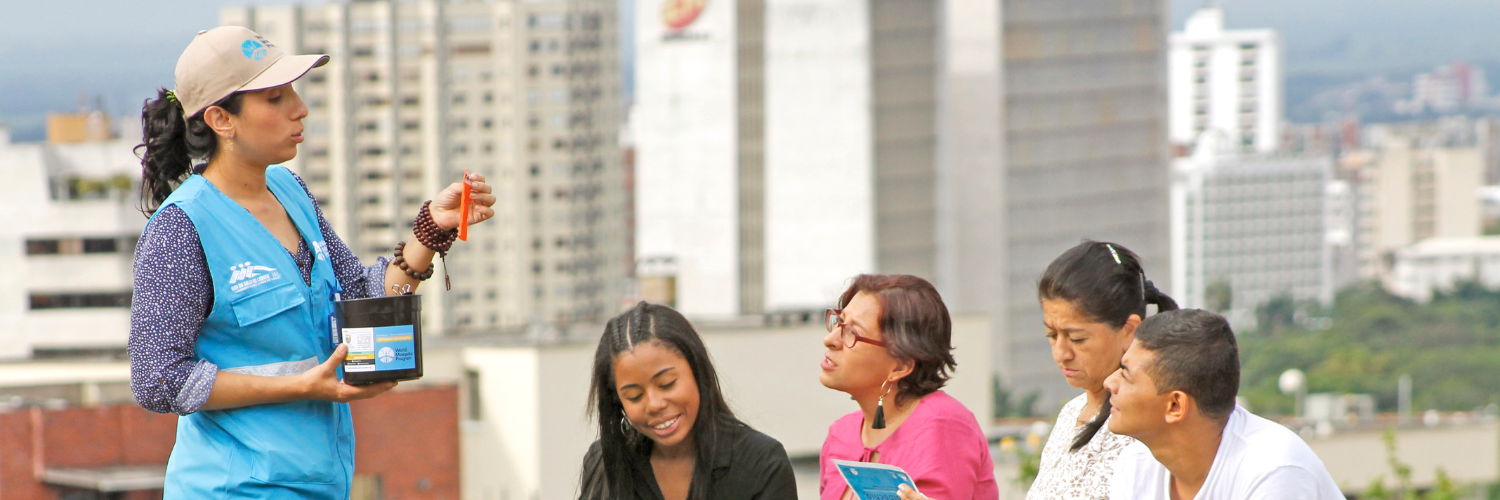
The World Mosquito Program's groundbreaking nature-based <i>Wolbachia</i> method is non-GMO and safe for the environment.

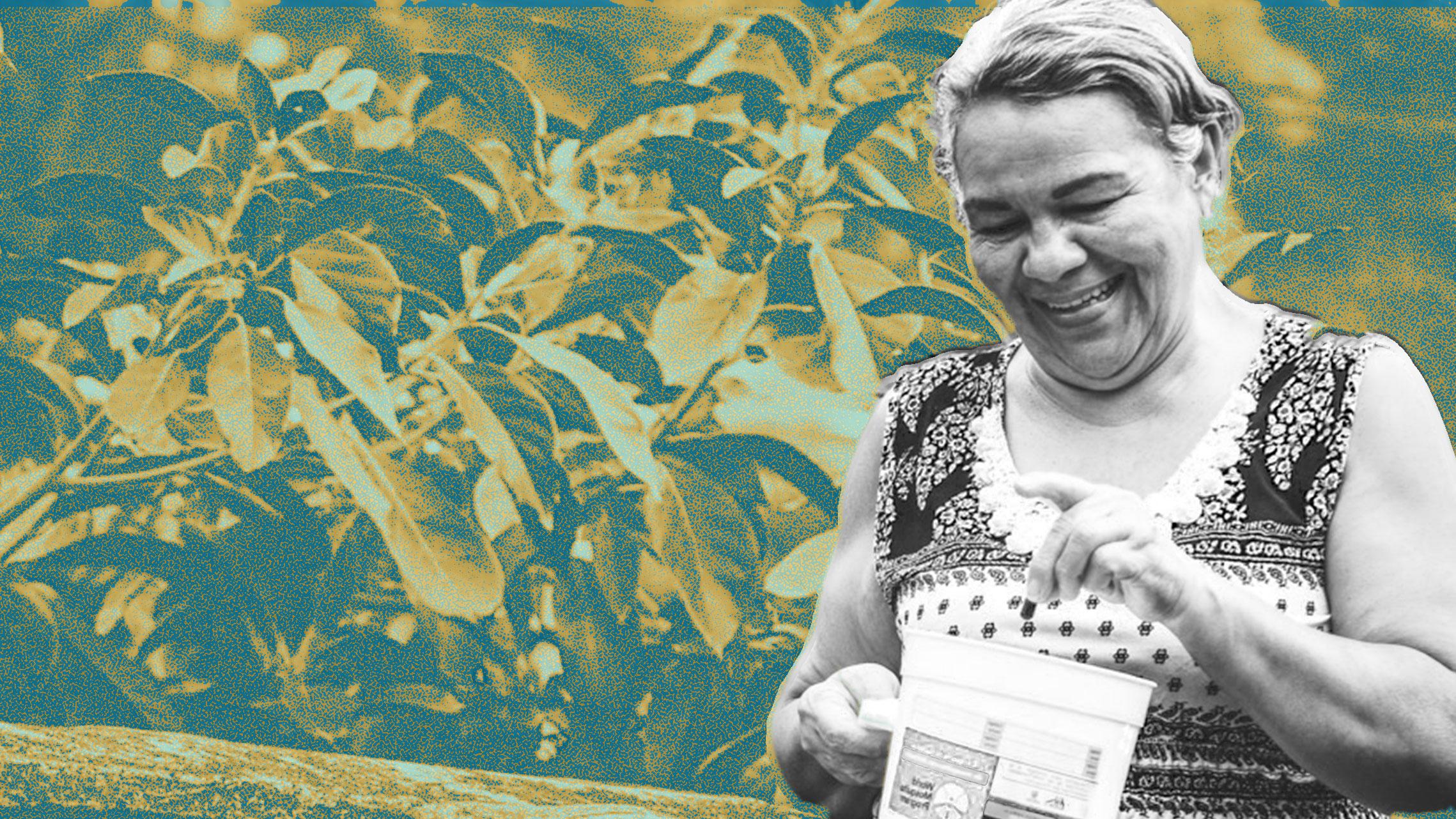
Frequently Asked Questions
Curious about the WMP's Wolbachia method and its role in combating mosquito-borne diseases? Explore our FAQs page to learn more about this innovative approach and its impact.

Latest stories
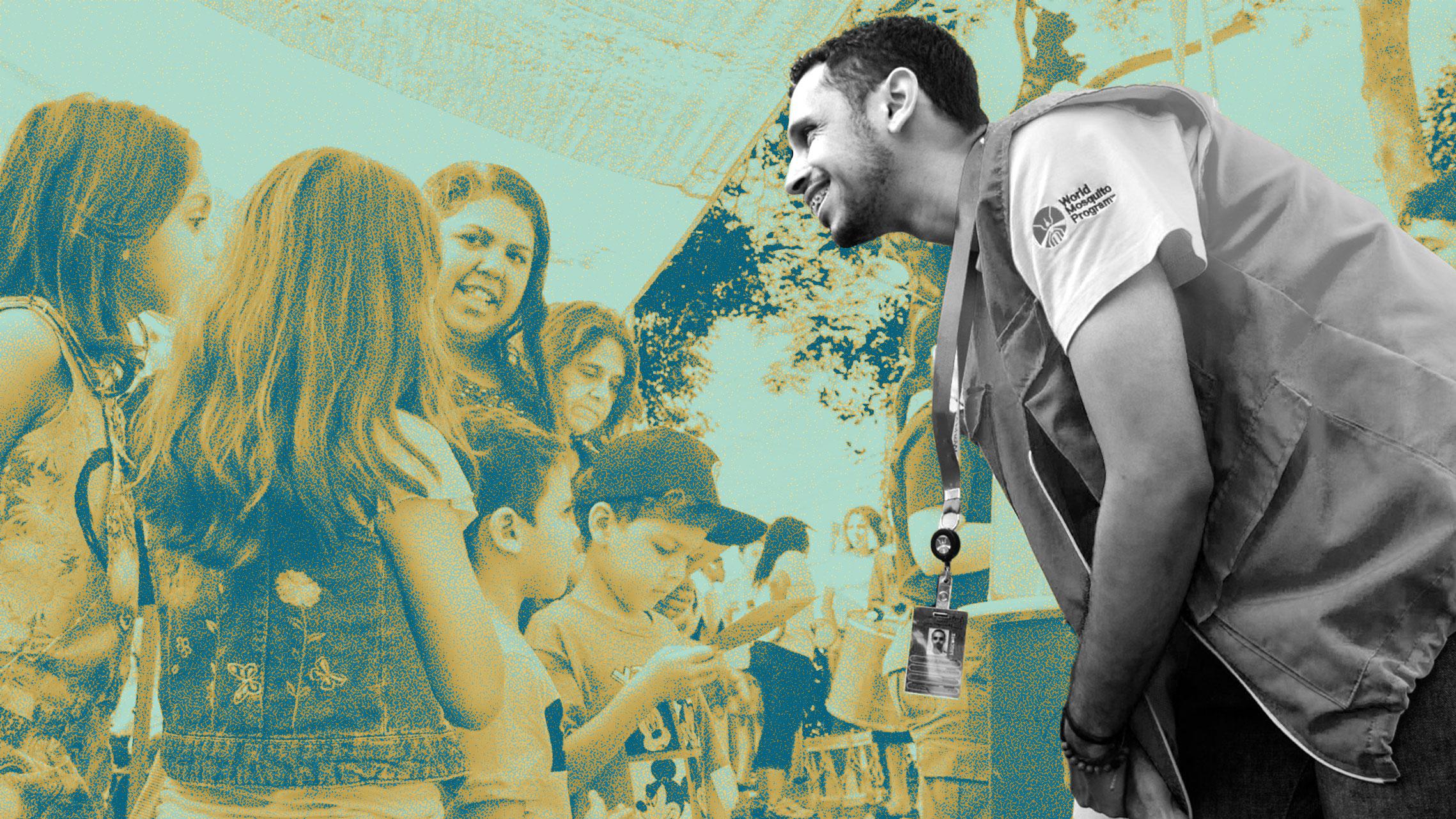
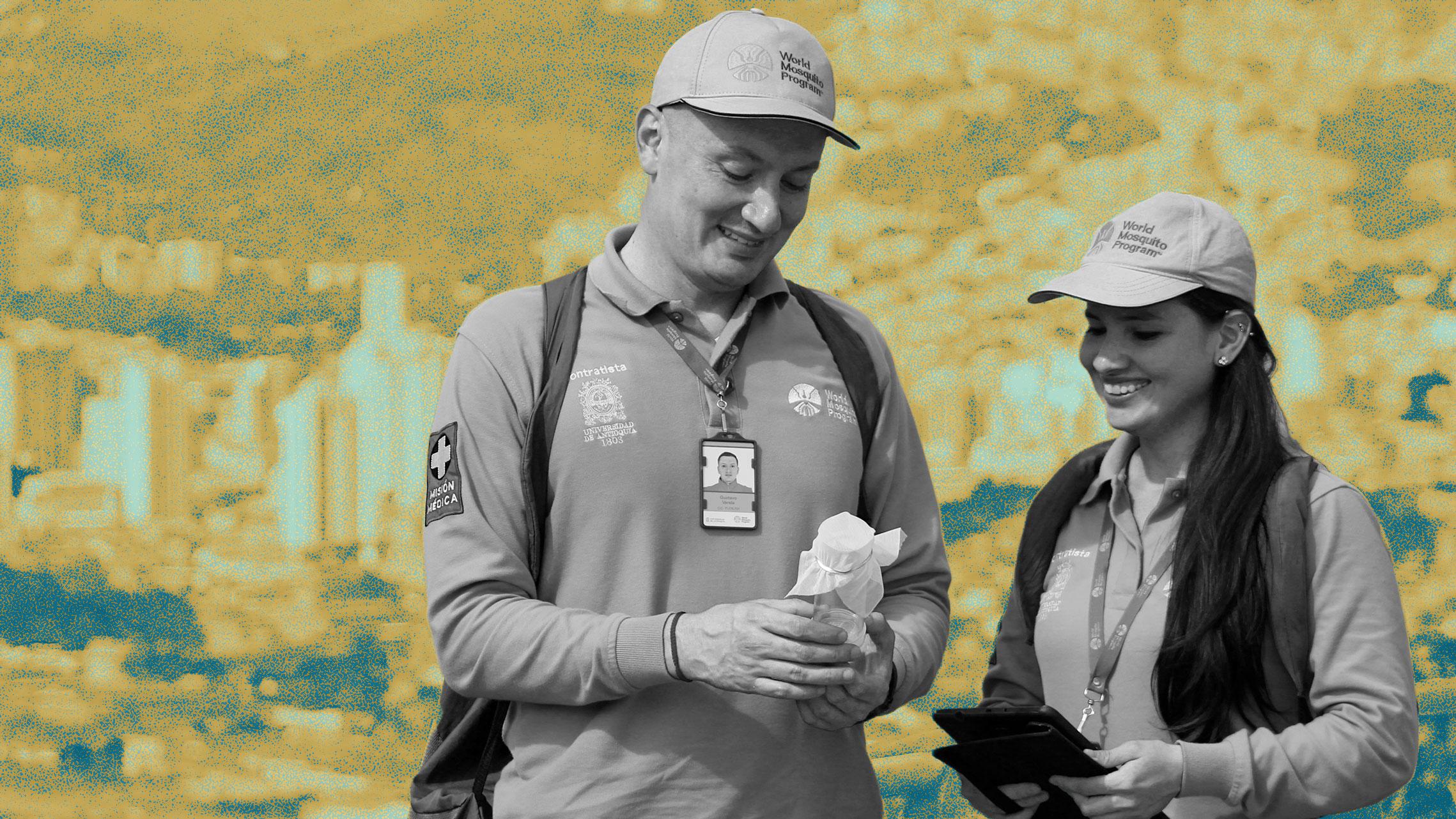
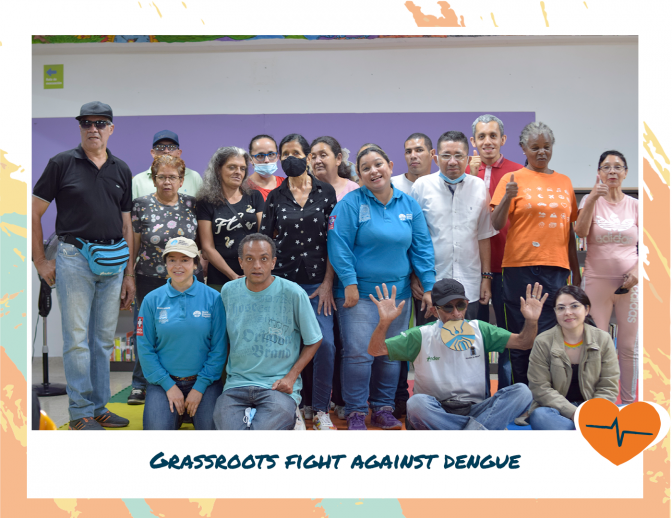
Our communities, staff and partners are the beating heart of everything we do. Here are just some of their stories.


Make a donation
Help us protect more communities with our Wolbachia method and make a huge difference in the fight against one of the biggest global health threats of the 21st century.
Our groundbreaking Wolbachia method is helping fight against mosquito-borne diseases such as dengue, Zika, chikungunya and yellow fever. The evidence-based, safe, and one-time health intervention has been rolled out in three continents, protecting millions of people worldwide.